¶ Update History
| Number | Version | Update Date | What's Changed |
| 1 | V1.0 | 8/15/2023 | Initially published. |
¶ Devices, Materials, Software, and Tools
Devices used
| Number | Device | Notes |
| 1 | UltaCraft Reflex (printer) | |
| 2 | UltaCraft Wash (washing machine) | |
| 3 | UltaCraft Cure (curing machine) | A water tank is needed. |
Material used
| Number | Material | Application | Supporting Layer Thickness |
| 1 | Production PAWR10 | Ball-Jointed Doll (BJD) | 30 μm |
Software used for pre-processing
| Number | Software | Notes |
| 1 | Blueprint Studio | V1.0.6-rc.3 |
Tools used in post-processing
| Number | Items | Notes |
| 1 | Pliers | |
| 2 | Art knife | |
| 3 | Sponge sandpaper | 400 grit , 800 grit, 1000 grit, 1500 grit and so on |
| 5 | Adhesive-backed sandpaper | 400 grit , 800 grit, 1000 grit, 1500 grit and so on |
| 6 | Sanding board | |
| 7 | Tweezers |
¶ Parameters
¶ Support Parameters
Auto-Support parameters (trussed) for BJDs
| Support Parameters | Lift Height (mm) | 5 |
| Trunk Diameter (mm) | 0.84 | |
| Overhang Angle (°) | 35 | |
| Truss Support | Lattice Size-XY | 4.5 |
| Lattice Size-Z | 6 | |
| Merge Level | 2 | |
| Support Density | Anchor Distance (mm) | 2.5 |
| Border Anchor Distance (mm) | 2 | |
| Connection | Top Diameter (mm) | 0.3 |
| Connection Length (mm) | 1.5 | |
| Contact | Contact Shape | Sphere |
| Diameter (mm) | 0.5 | |
| Embedded Depth (mm) | 0.35 |
¶ Washing Settings
Washing settings for BJDs
| Number | Material | Speed | Cleaning Solution | Washing Time |
| 1 | Production PAWR10 | 100 r/min | 95% alcohol | 1min rough wash + 2min fine wash |
¶ Curing Settings
Curing settings for BJDs
| Number | Material | Curing Agent | Heat or Not | Curing time |
| 1 | Production PAWR10 | Water | No | 60 min |
¶ Design Parameters
Design settings for BJDs
| Part | Requirements | Image | Image |
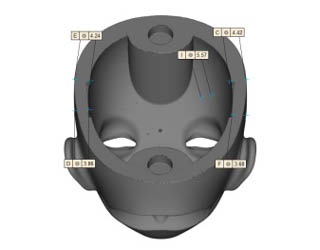
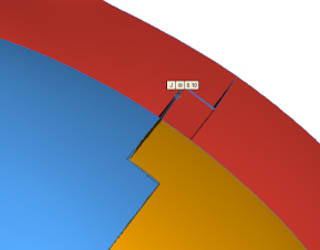
| Head | 1.Wall thickness > 4 mm. Uniform wall thickness is not recommended. 2.Recommended slit spacing on assembly positions is 0.05 mm, but depends on your needs on fitting. |
 |
 |
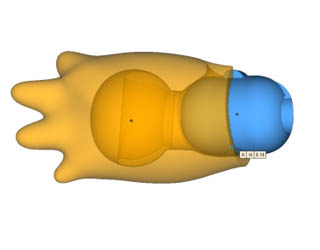
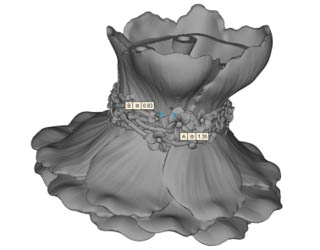
| Others | 1.Recommended slit spacing on assembly positions is 0.05 mm, but depends on your needs on fitting. 2.Wall thickness ≥ 0.4 mm. 3.Gap ≥ 0.25 mm. |
 |
 |
¶ Pre-processing Procedures
¶ Create Projects
1.Open Blueprint Studio and enter “Slicer”.
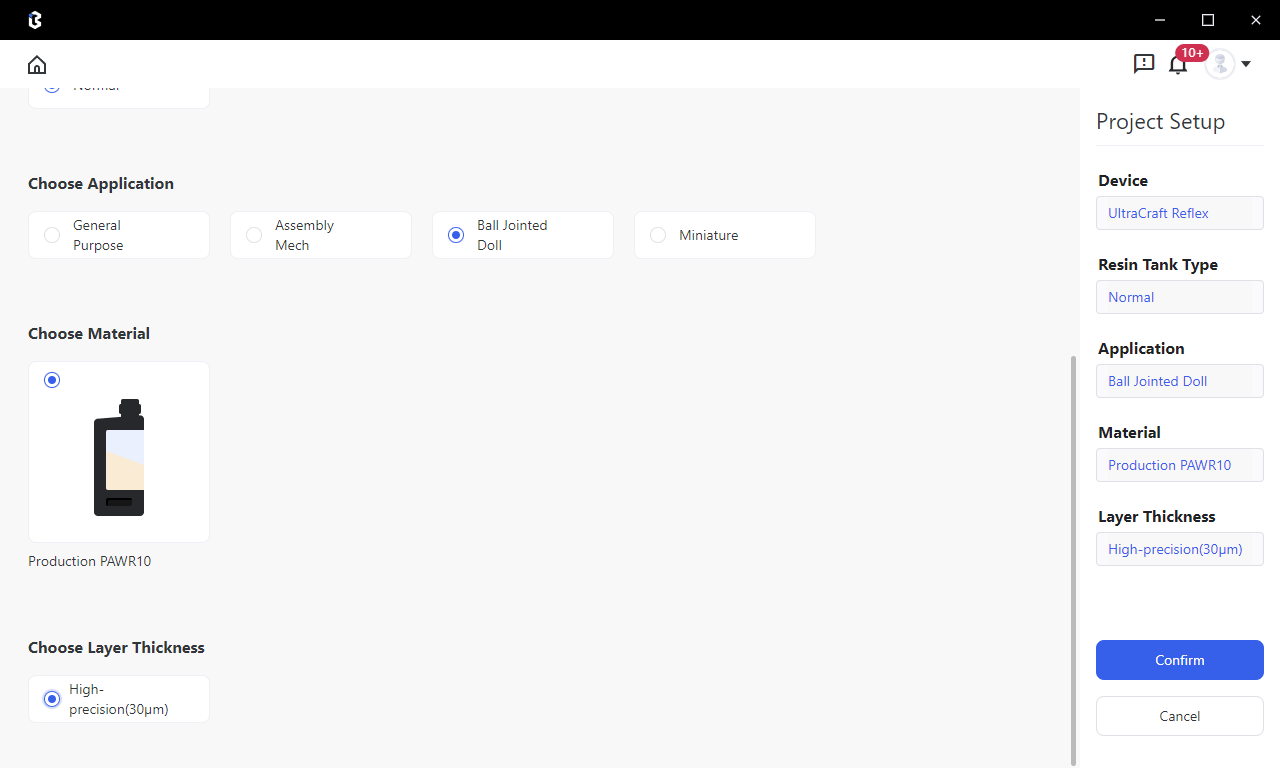
2.Create a new project and set the parameters as: UltraCraft Reflex, Regular Resin Tank, Ball-Jointed Doll, Production PAWR10, High-precision (30 μm).
¶ Prepare
1.Import models in the project.
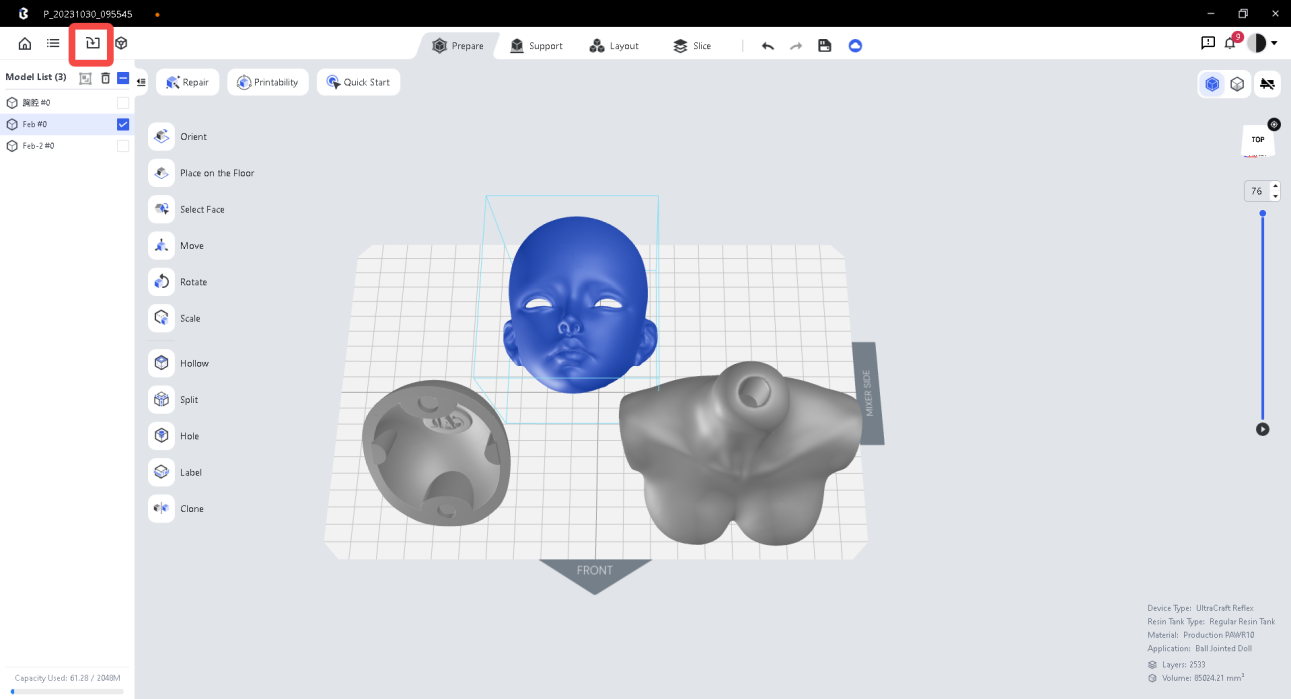
2.Placement: Adjust the models’ position with “Move” tool and the orientation with “Rotate” tool.
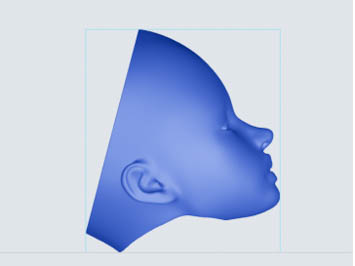
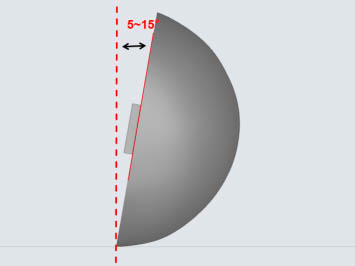
Recommended layout for various BJD models
| Head - Front | Head - Cap |
| Reclined with face upward and neck downward, to avoid supports generated on the face. | Slightly reclined (about 5°-15°), to avoid supports generated on the assembly side. |
 |
 |
| Upper Torso | Others |
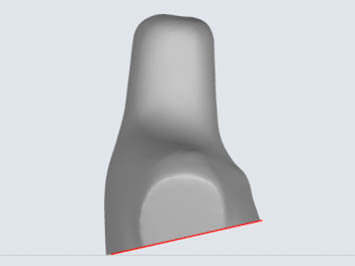
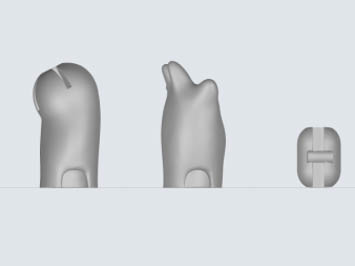
| Neck upward, and base inclined a little to avoid large flat layers after slicing. | Principle is facing openings down and placing supports as few as possible. |
 |
 |
¶ Support
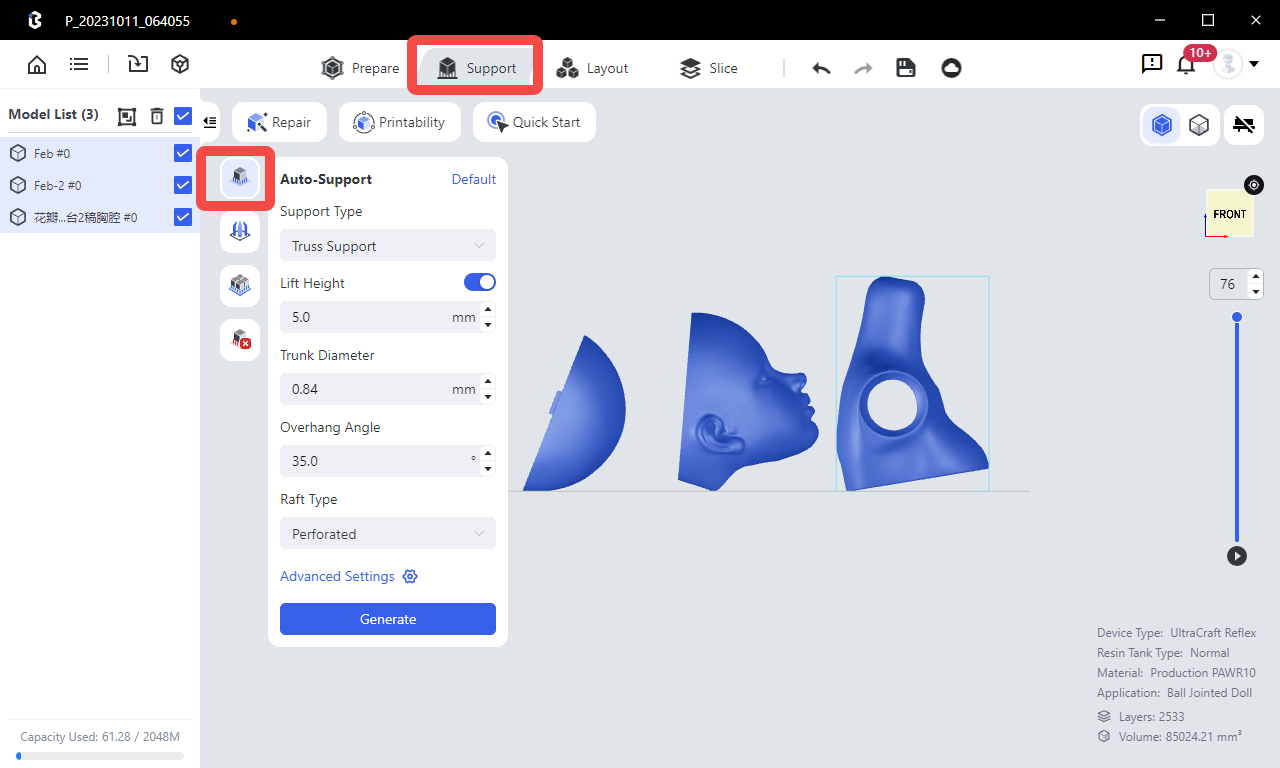
1.Auto-Support: Select all the models, and click "Auto-Supports” to generate supports with default parameters.
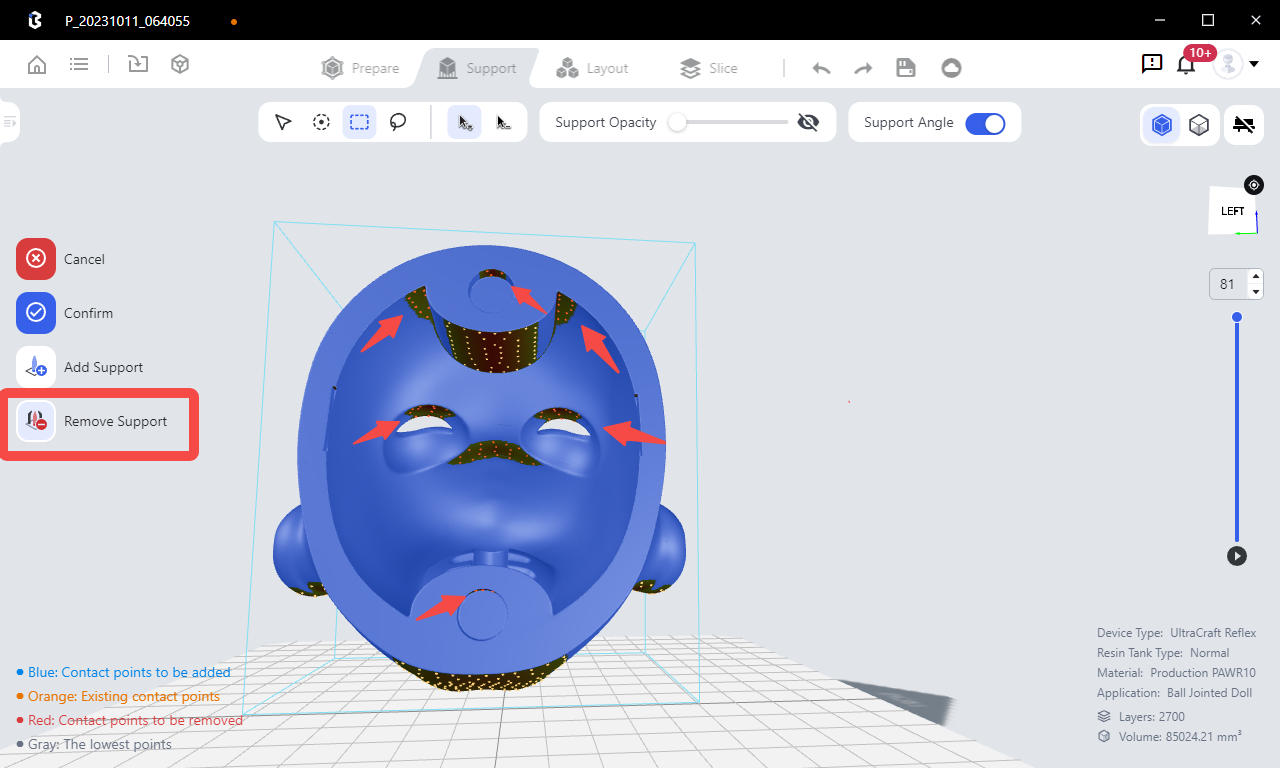
2.Manual-Support: Check if support contacts are auto-generated on the lowest points at key parts such as faces, magnet holes, eyeball sockets and so on. You may delete those not on the lowest points using “Manual-Support” tool.
¶ Layout
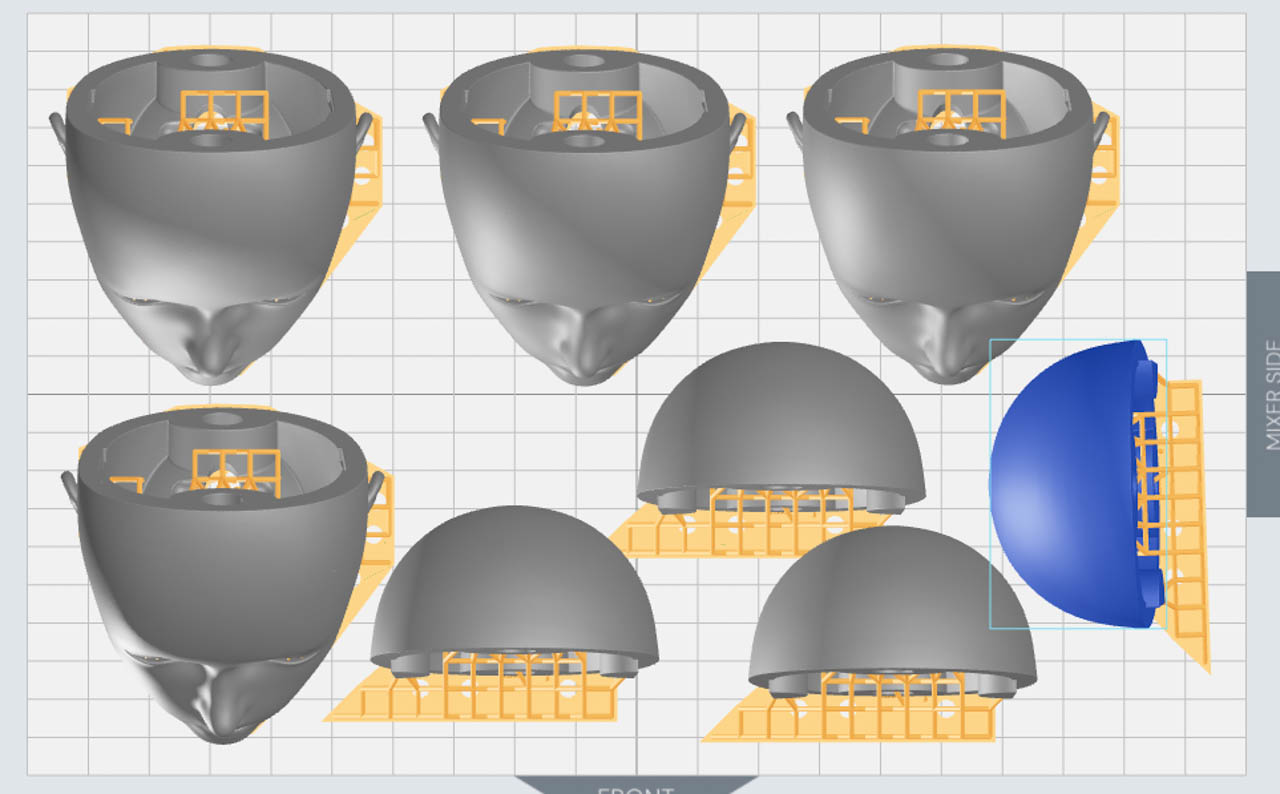
1.Clone: After adding supports, go back to “Prepare” and clone the models with “Clone” tool. But please note that models with supports should not be mirrored.
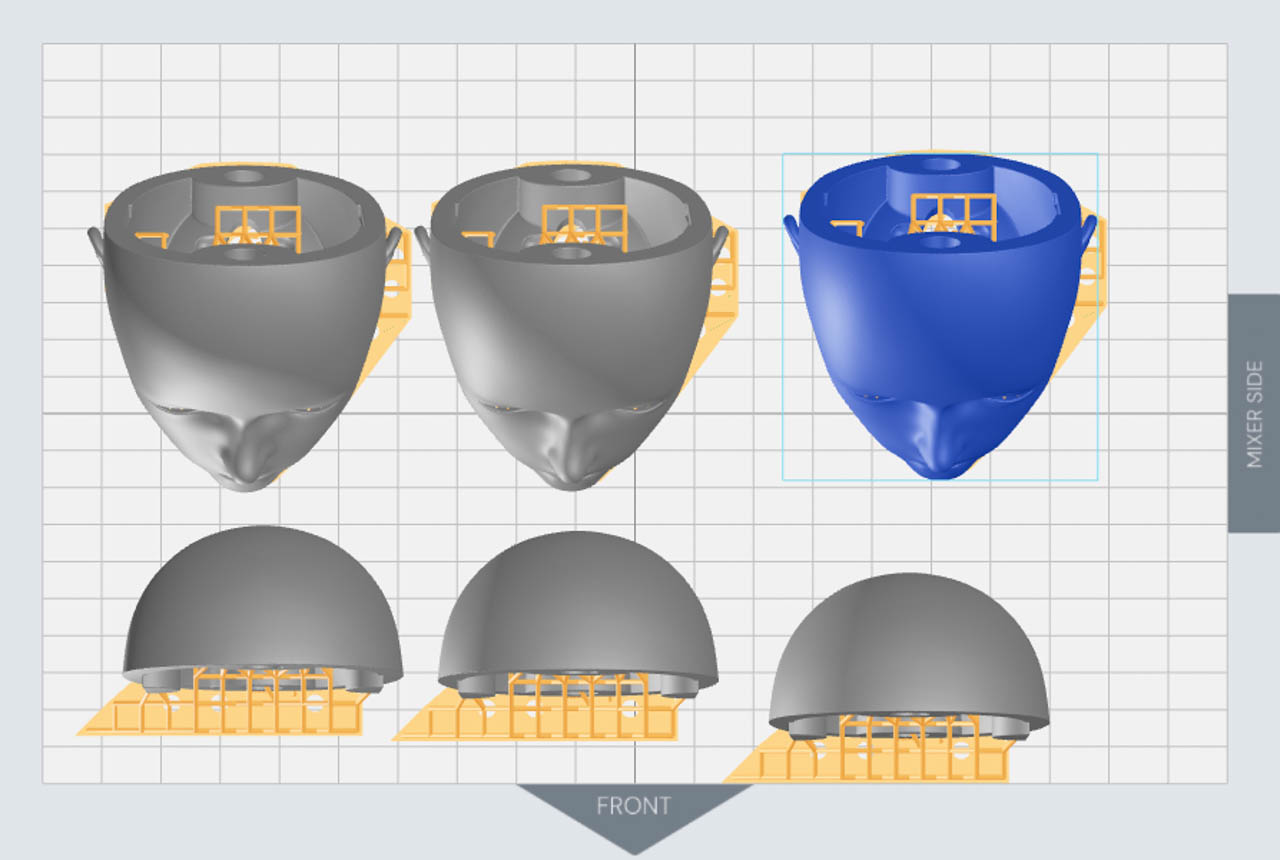
2.Layout: In “Layout” page, you may "Move” and “Rotate” models to avoid them from crashing into each other or connect their plates for more convenient washing.
¶ Slicing
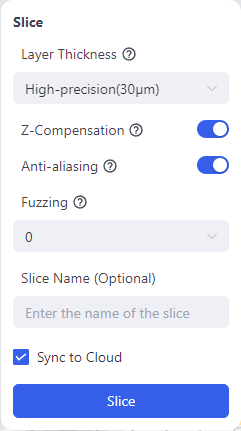
1.On “Slice” page, set the parameters as follows and then perform slicing: layer thickness - 30 um, Z-compensation - on, anti-aliasing - on, fuzzing - 0.
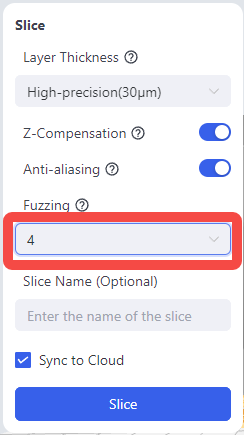
2.For a highly smooth surface, you may set the “fuzzing” at 4.
¶ Send files to printer
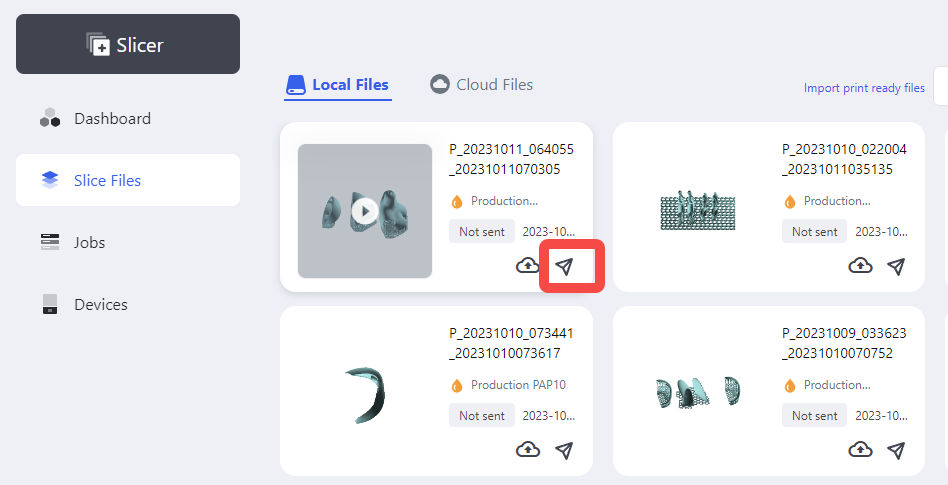
After slicing is done, you may send the slice files to your printer on Blueprint platform or download them to your USB flash drive and import them to your printer.
¶ Post-processing
¶ Washing
1.Put the printed models in the washing box with reused 95% alcohol of the two UltraCraft Wash boxes and perform a rough wash. Make sure the models are submerged by alcohol and more than 10 mm from each other, and do not pile up or put too many models to avoid model surfaces from being scratched.
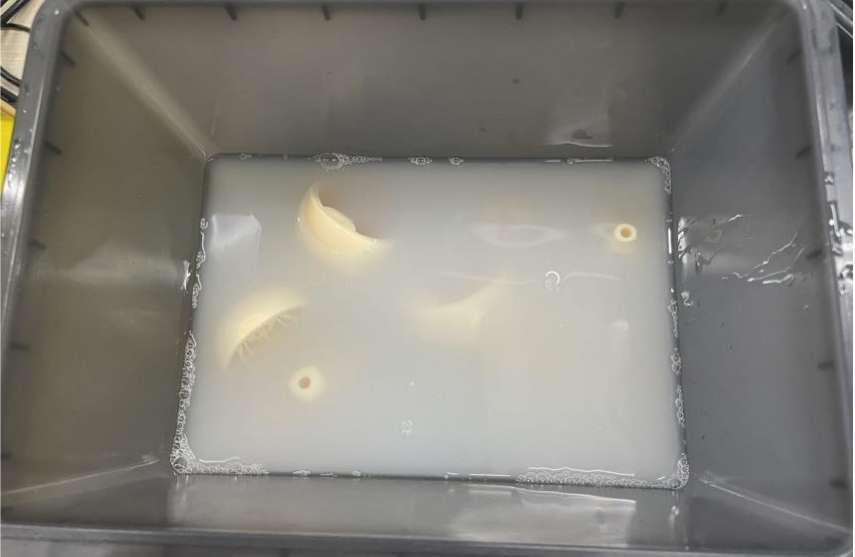
2.Set the washing settings on UltraCraft Wash or Blueprint platform when sending wash jobs.
3.After rough wash, fine wash the models in the other washing box with new, clean 95% alcohol.
Washing settings for BJDs
| Number | Material | Speed | Cleaning Solution | Washing time |
| 1 | Production PAWR10 | 100 r/min | 95% alcohol | 1min rough wash + 2min fine wash |
4.After washing, blow dry or air dry the models.
¶ Remove supports
1.For models with large and thick areas, removing by hand will be fine( twisting off the support structures).
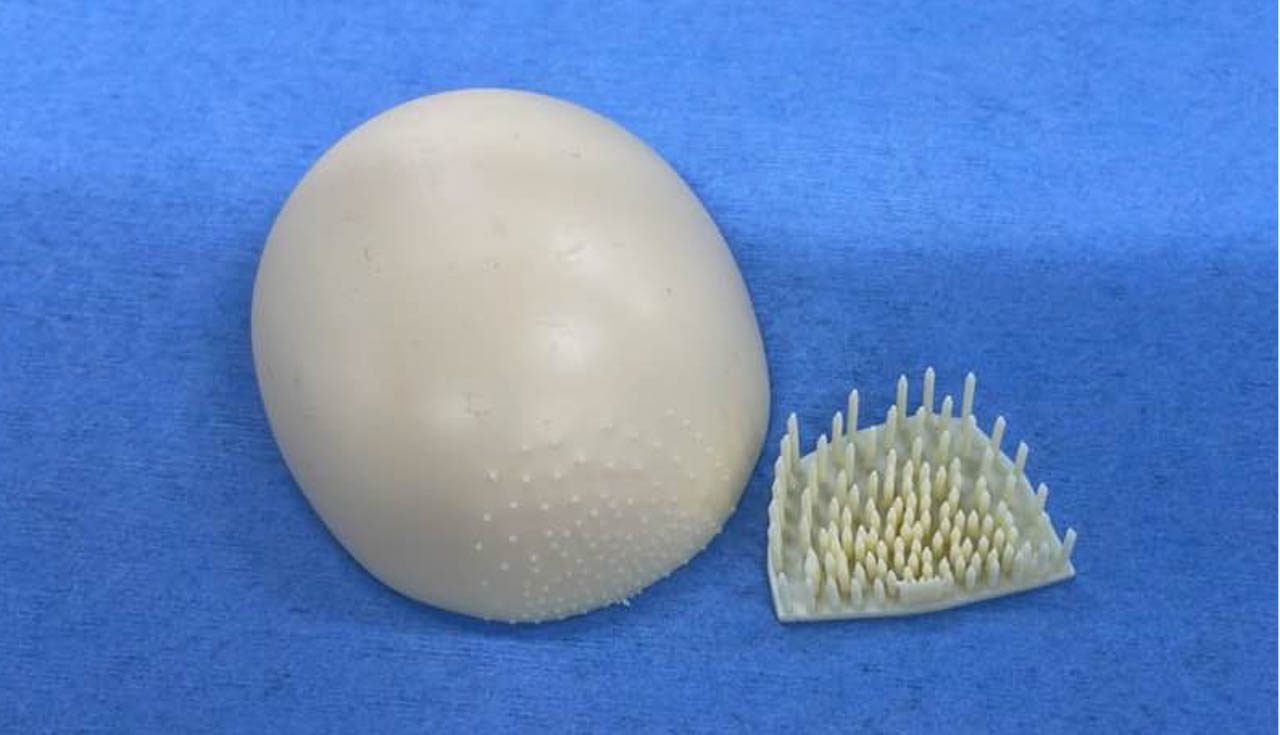
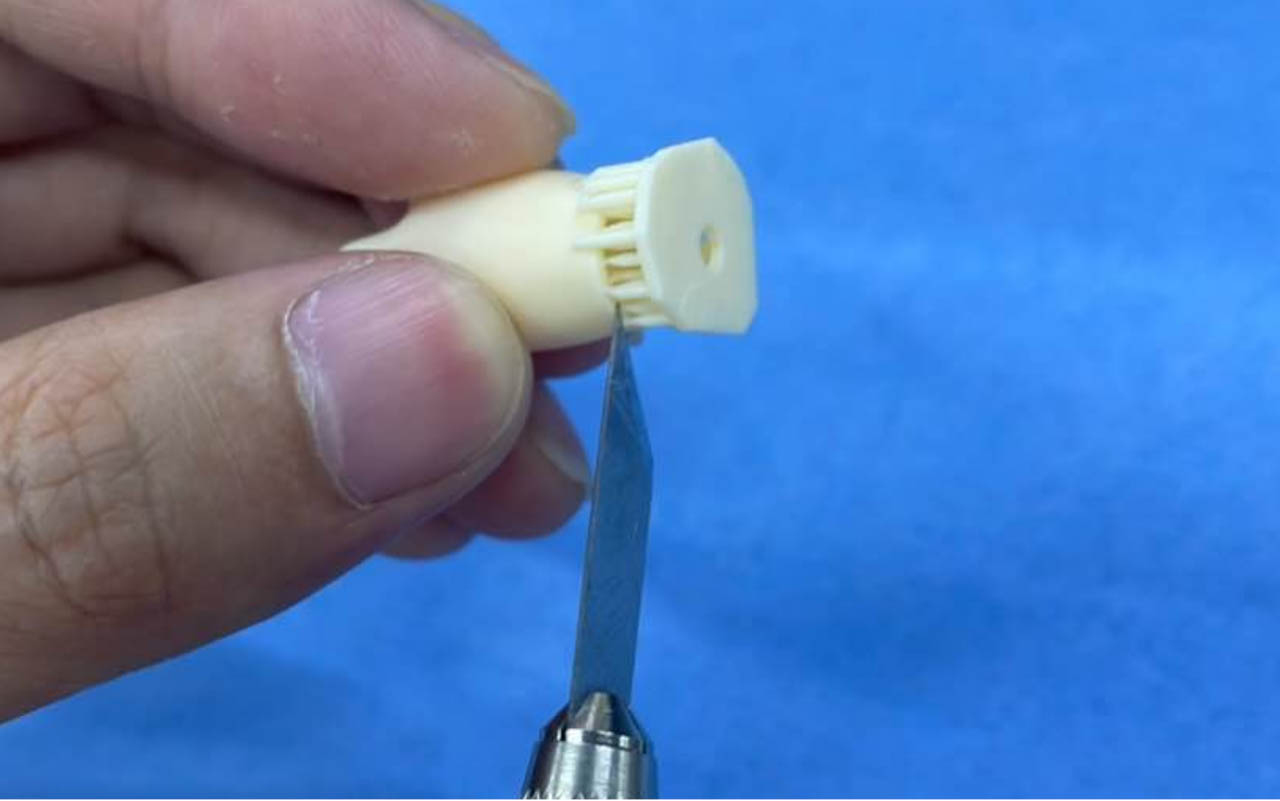
2.For models with thin wall or detailed structures, use an art knife or pliers instead.
¶ Curing
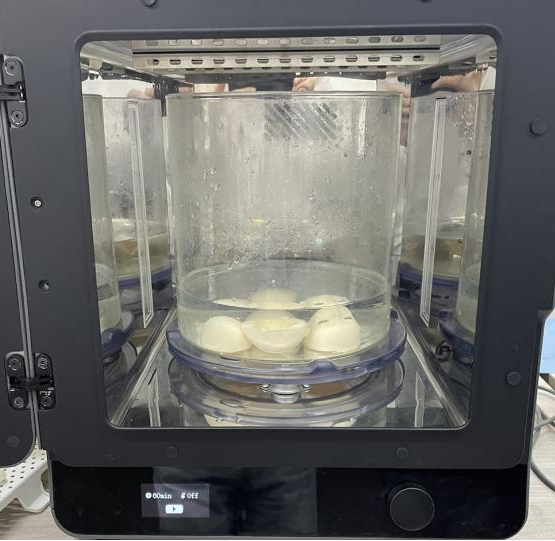
1.Put the models in a water tank and cure them with UltraCraft Cure. Make sure the models are fully submerged by water.
2.Set the curing settings on UltraCraft Cure or on Blueprint platform when sending curing jobs.
Curing settings for BJDs
| Device | Material | Curing Medium | Heat or Not | Curing time |
| UltaCraft Cure | Production PAWR10 | Water | No | 60 min |
¶ Polish
¶ Curved surface polish
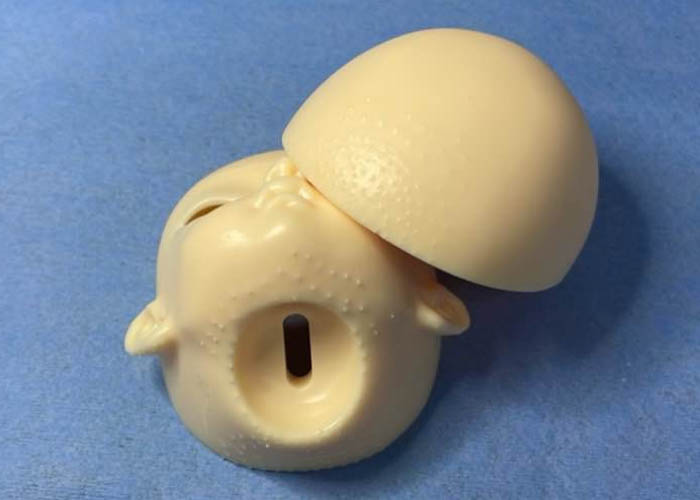
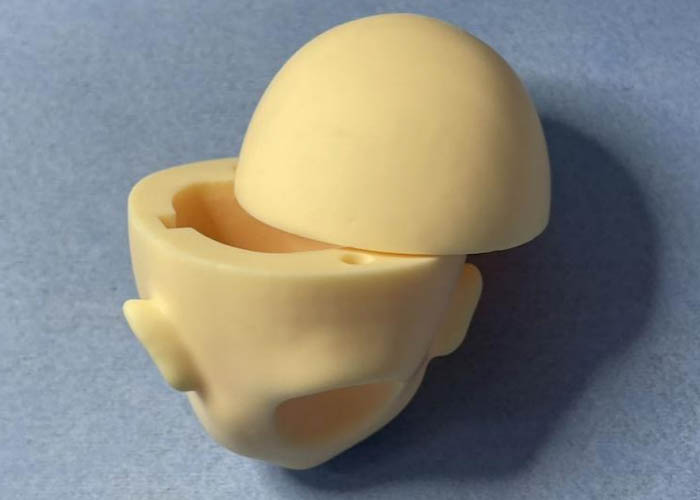
For curved surface, it's recommended to:
-
Rough polish off the support remains with a 300-400 grit sponge sandpaper first.
-
Polish again with a 800-1000 grit sponge sandpaper to remove polish marks.
-
Fine polish with a 1500-2000 grit sponge sandpaper for a consistently smooth surface.
-
If more demanding on surface, you may use a sandpaper with a higher grit number or use polishing wax to further polish the models.
¶ Flat surface polish
-
It’s recommended to use a sanding board stuck with sandpaper to polish the surface in one direction for a flat, smooth finish.
-
You may switch between sandpapers with different grit numbers, from a lower number to higher and higher ones, until you get the finish you want.
¶ Thin-walled structure and detail polish
-
Cut off support remains little by little with an art knife until the areas are generally smooth;
-
Smooth the surface with 1000-1200 grit sandpaper (choose sandpapers according to actual needs);
-
If more demanding on surface, you may use a sandpaper with a higher grit number or use polishing wax to further polish the models.
¶ Narrow space polish
For narrow spaces, use tweezers holding a sandpaper to polish. Switch between sandpapers with different grit numbers, from a lower number to higher and higher ones.